
Why Your Muscles Might Be Starving Even on Keto
Let’s be honest. The keto diet can feel amazing at first. More energy, less brain fog, weight dropping off, clothes fitting better. But after a few months, something odd might happen: you feel smaller, but not in the strong, muscular way you hoped. Your arms look thinner, your legs a bit softer, and the gains from the gym? Just not there.
Table of Contents
Disclaimer: The information shared here is for general awareness and education only. If you’re experiencing ongoing symptoms, it’s always best to check in with a qualified health professional.
Prefer watching? Catch the video summary here...
I Lost Muscle on Keto - and Didn’t Know Why
When I first switched to keto, I was excited. The energy boost, the mental clarity, the weight loss – it all sounded great.
But after a few months, I started to notice something strange: I looked smaller, but not in a good way. My muscles felt flatter, my arms and legs softer. I was working out, eating clean… so what was going wrong?
At the time, I didn’t have the answers. But I’ve since learned a lot – about protein, digestion, appetite, and how keto affects muscle.
If you’re on keto and not seeing the gains you expected, this article might save you some frustration.
Let’s break it down.
What’s going on?

1. You Might Not Be Digesting Protein Properly
Here’s the first thing: it’s not just about eating protein. It’s about digesting it. If your body can’t break it down properly, it won’t get the amino acids it needs to build or repair muscle.
And believe it or not, lots of people on keto struggle with this. Why?
When you eat less carbs, your body often makes less stomach acid. This might sound like a good thing (acid = bad, right?). But actually, stomach acid is super important for breaking down protein. If it’s too low, the protein just sits there. It doesn’t get broken into the small bits (called amino acids) that your body needs.
Another problem? Low digestive enzymes. These are tiny helpers your body makes to break down food. But on keto, especially when your meals are heavy and fatty, your digestion can slow down. If your enzyme levels are low, protein doesn’t get digested well. That means fewer amino acids get absorbed.
So even if you’re eating enough meat, eggs, or protein shakes, you might still not be getting what you need.
2. You Might Not Be Eating Enough
A strange thing happens to a lot of people on keto: they lose their appetite.
At first, that’s great. It helps with weight loss. But long term? It can backfire. If you’re not hungry, you might not eat enough calories. And more importantly, you might not eat enough protein.
You see, when your body doesn’t get enough energy, it starts looking for fuel. And if there isn’t enough food coming in, it can actually break down your own muscle tissue to get what it needs.
Add that to the fact that many keto meals are high in fat but not always high in protein, and it’s easy to see how your muscles might be getting left behind.
3. You Might Be Missing the “Right Kind” of Protein
Let’s say you are eating enough protein and digesting it decently well. There’s still one more problem that could get in the way.
Your muscles don’t just need any old protein. They need the right mix of amino acids. Think of amino acids like building blocks. You need all of them in the right amounts to build strong, lean muscle.
If just one block is missing or too low, it’s like trying to build a house with no bricks on one side. It doesn’t work well.
This is where keto can be tricky again. If your meals are too repetitive, or you avoid certain foods, you might not be getting the full range of amino acids your body needs.
Hang on… is this actually common?
Yes – more than you’d think. While not everyone on keto runs into muscle issues, it’s something that pops up often enough to be worth paying attention to.
Here’s what tends to go wrong:
Not enough protein. Some people eat too little protein because they’re trying hard to “stay in ketosis”. But that can backfire, especially if you’re working out – your muscles simply don’t have enough to rebuild with.
Trouble digesting protein. Keto diets can lower stomach acid even more in people who already have low levels (which is quite common after age 30). Add in low enzyme activity, and even if you’re eating enough protein, your body might not be breaking it down properly.
Hard workouts, not enough fuel. If you’re training hard but not eating quite enough – especially protein – your body may break down muscle for fuel.
Lower appetite. Ketones naturally reduce hunger, which sounds like a bonus… until it stops you from eating enough to maintain your muscles.
If the weight is coming off quickly, you might be losing a mix of fat and muscle – especially if you’re not doing strength training or supporting your body with the right nutrients. When someone is trying to lose weight, often a third of the weight lost is fat-free mass.
That means people actually lose not just fat, but also muscle, bone, and other lean tissue during many weight-loss diets.
And what do the studies say?
A 2020 study in Nutrition & Metabolism found that keto diets can help maintain muscle – but only if protein intake is high and strength training is included. Without those, lean muscle loss is more likely.
Many fitness coaches say around 10 to 30% of their clients on keto report muscle tone fading after the first few months.
Another study in Frontiers in Physiology showed that athletes on keto were able to keep their muscle mass – but only when they consumed at least 1.6 to 2 grams of protein per kilo of bodyweight.
Bottom line?
It’s not that keto causes muscle loss all by itself – but if protein, digestion, and recovery aren’t properly looked after, it’s easy for your muscles to quietly shrink in the background.
So What Can You Do?
Public health recommendations for nutrient intake – such as the Reference Nutrient Intake (RNI) in the UK – are typically set to ensure the minimum levels required to prevent deficiency-related diseases in the general population. It remains unclear, however, whether these recommendations are also sufficient to support optimal long-term health or help prevent chronic conditions. Current guidelines are primarily designed around population-wide safety and adequacy, rather than individual optimisation.
For example:
Vitamin C: Public health guidelines in many countries recommend around 40–45 mg per day, which is sufficient to prevent deficiency conditions such as scurvy. However, the amount required to support broader functions like antioxidant defence or immune system performance may be higher, though this remains an area of ongoing research.
Vitamin D: Initial intake recommendations were primarily established to prevent rickets. Whether these levels are also adequate for optimising bone health, immune function, or reducing the risk of certain chronic conditions is still under investigation and varies by individual needs.
Some healthcare practitioners and researchers propose that, beyond preventing deficiencies, higher nutrient intakes may support broader aspects of health and wellbeing. However, such approaches fall outside the scope of current general population guidelines and should be considered on a case-by-case basis.
Here’s the good news: you can fix all of this
1. Support your digestion.
If you feel bloated, heavy, or unusually full after eating protein, it might be a sign your stomach acid or enzymes are low. This can make it harder for your body to break down protein into the amino acids it needs. One of the best things you can do is to start your meal with a large bowl of mixed leafy greens salad. But you may also consider simple fixes like a splash of lemon water or a tablespoon of apple cider vinegar before meals, or a digestive enzyme supplement with your protein-rich foods. It’s a small step that can make a big difference.
2. Get enough proteins – based on your weight.
You don’t need to guess. A good general rule is to aim for 1.6–2.0 grams of protein per kilogram of bodyweight per day.
Here’s a quick reference:
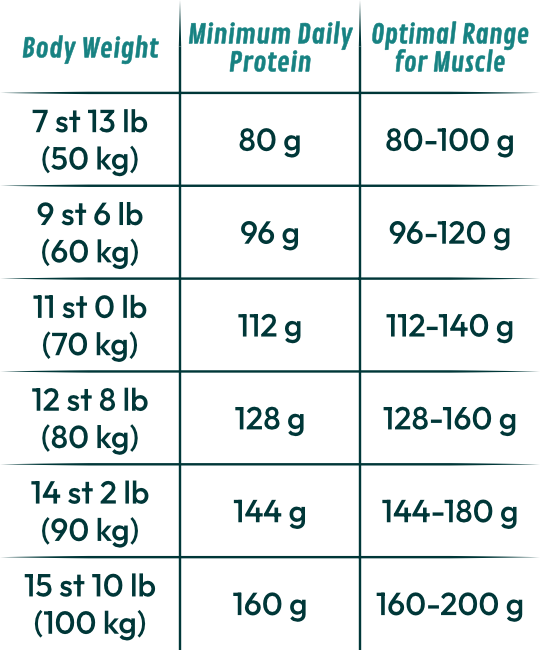
But here’s the catch: protein needs aren’t fixed. If you’re:
- Training regularly (especially with weights)
- Recovering from illness or injury
- Dealing with chronic stress or poor sleep
… then your body uses up more amino acids, and your needs go up. In these cases, the upper end of the range – or even a bit more – is often more appropriate.
3. Eat enough food – consistently.
Appetite often drops on keto, but your muscles still need fuel. If you’re training or moving a lot, don’t under-eat. Steady meals with enough calories and protein are key to protecting your lean mass.
4. Get a variety of protein sources.
Don’t rely on one food. Mix it up – eggs, oily fish, chicken, beef, collagen, organ meats, hemp seeds, and even a high-quality amino acid supplement if needed. The broader the range, the better your amino acid profile.
And Finally... Let’s Talk Amino Acids
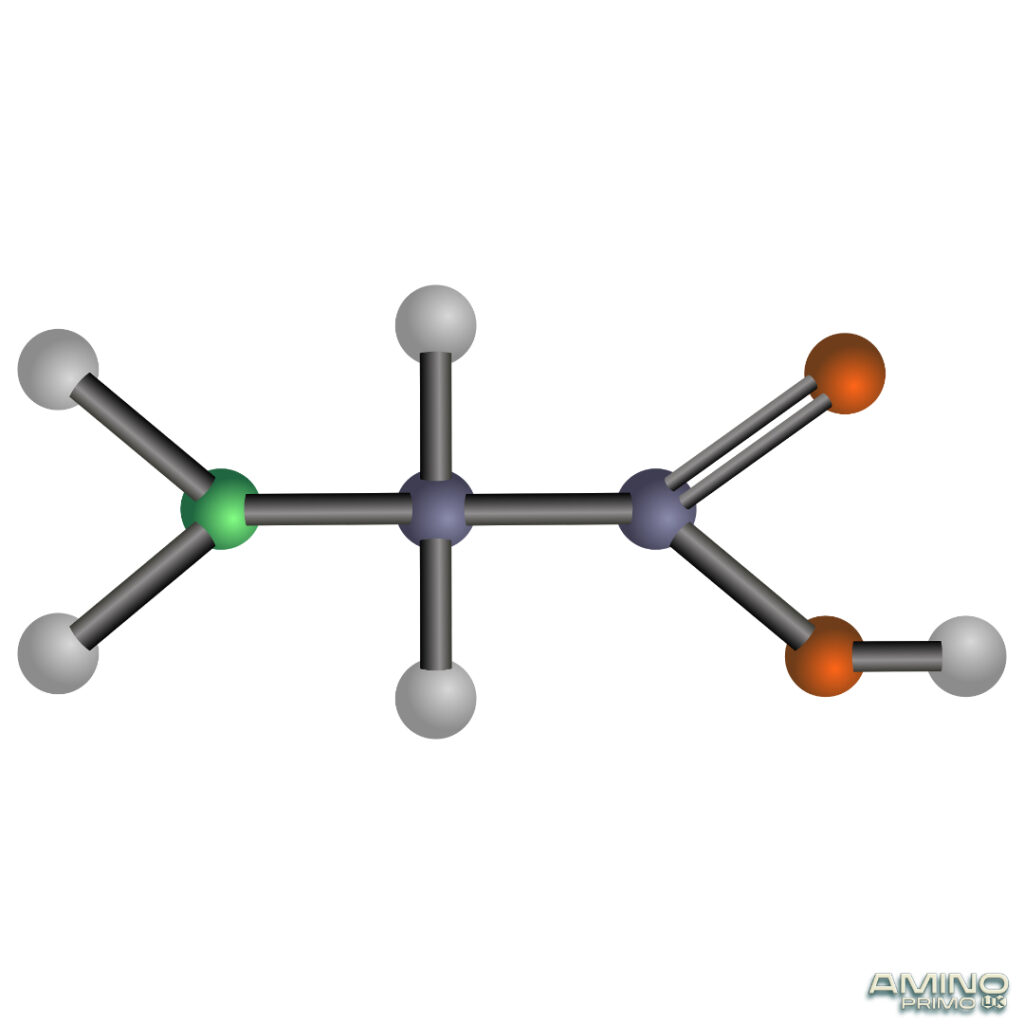
Remember those building blocks? The amino acids? Here’s the simple truth:
Your body builds and repairs muscle using amino acids – but when you get them from food, your digestion has to do the hard work of breaking down the protein first. If your stomach acid or enzymes are low (which is common on keto), this process doesn’t always go smoothly.
That’s where essential amino acid (EAA) supplements come in. They’re already in free form – meaning your body can absorb and use them straight away, without needing to digest a big steak or shake. For anyone struggling with appetite, digestion, or timing, they’re a simple way to stay topped up.
But here’s where it gets tricky for keto or intermittent fasting:
- Too much protein in one meal can backfire.
On keto, some people try to cram all their daily protein into just one or two meals – but this can quietly work against ketosis.
When you eat a large amount of protein, especially without carbs, your body can convert some of those amino acids into glucose through a process called gluconeogenesis.
This is totally natural – your body still needs a little sugar to function – but if the protein load is too high, the resulting glucose (and a mild insulin response) may lower your ketone levels.
Some studies also show that high-protein meals can trigger more insulin than expected, even without carbs, which might nudge you out of ketosis if you’re already borderline.
- Supplements aren’t always keto-friendly.
Many protein shakes or amino blends come with hidden sugars, flavourings, or additives that don’t sit well with keto – or your stomach.
- Intermittent fasting makes timing awkward.
IF followers (and lots of keto folks do both) often find it hard to spread out their intake. You’ve got a small eating window, maybe a couple of meals – and squeezing in enough amino acids without feeling stuffed isn’t easy.
That’s why Amino Primo tablets have become a bit of a must-have for people in this zone. No sugar, no calories, no fluff – and they don’t break a fast, so you can take them during your fasting window, between meals, or around your workouts. Even better, they’re portable and gentle on the stomach – no need to shake, mix, or chew.
They’re not magic – just practical.
And in the context of keto, fasting, training, and real life… that makes all the difference.
Wrap-Up

Keto can work brilliantly. But if you feel like you’re getting leaner but not stronger, or you’re losing shape in the gym, it might be time to check in with your digestion, your protein intake, and your amino acid levels.
Muscle isn’t just about lifting weights. It’s about giving your body the right tools to grow and stay strong. And sometimes, a few simple tweaks are all it takes to get back on track.
Stay strong – and stay curious.
And if you’ve ever wondered what those amino acid supplements are really about… now you know why they matter. You can learn more about Amino Primo whenever you’re ready.
References:
1. Effect of Increased Protein Intake and Exogenous Ketosis on Body Composition, Energy Expenditure, and Exercise Capacity During a Hypocaloric Diet in Recreational Female Athletes
This study found that increased protein intake effectively prevented muscle wasting and maintained exercise capacity during a period of caloric restriction in female recreational athletes.
https://www.frontiersin.org/journals/physiology/articles/10.3389/fphys.2022.1063956/full
2. Impact of Ketogenic Diet on Body Composition During Resistance Training Among Untrained Individuals
This study evaluated the impacts of the ketogenic diet in combination with 8-week resistance exercise on body weight, body fat mass, and lean body mass of untrained individuals.
https://www.researchgate.net/publication/347939445_Impact_of_Ketogenic_Diet_on_Body_Composition_during_Resistance_Training_among_Untrained_Individuals
3. High-protein meals and insulin response (without carbs)
Study showing that certain proteins, when consumed in larger amounts, can significantly raise insulin levels — even without carbs.
https://pubmed.ncbi.nlm.nih.gov/28615390/
4. Gluconeogenesis from excess protein intake
Explains how excess dietary protein can be converted to glucose through gluconeogenesis, especially when carbs are low.
https://www.ncbi.nlm.nih.gov/pmc/articles/PMC6019055/
5. Muscle mass on keto and protein intake in athletes
Highlights that maintaining or gaining muscle on keto requires high protein intake (1.6–2.0g/kg) along with training.
https://www.frontiersin.org/articles/10.3389/fphys.2019.00907/full
6. Ketogenic diets and body composition
This study shows that lean mass can be preserved on keto if protein is high and strength training is present.
https://nutritionandmetabolism.biomedcentral.com/articles/10.1186/s12986-020-00453-3
Still curious? Here’s more

Why You Should Take Amino Acids Even If You Don’t Work Out
Before you dive in: this article takes about 10 minutes to read, as we’ve included everything you need to know about amino acids and why they might be important for

How Can Muscle Loss Be Reduced as We Age?
Do you feel like your strength isn’t what it used to be? Climbing stairs feels like a workout, the shopping bags seem heavier every week, and keeping up with the