

Amino Acids Are Useless!
Discover why amino acids seem useless without applying 2 key factors. Learn about protein utilisation rates and how to maximise their benefits.
Do you feel like your strength isn’t what it used to be? Climbing stairs feels like a workout, the shopping bags seem heavier every week, and keeping up with the grandkids is becoming a marathon? This might be because you’ve lost more muscle mass than you realise.
Note: Feel free to use the table of contents below for easier navigation.
This condition is known as sarcopenia, the gradual loss of muscle strength and mass. It’s more common as we age but can also affect younger people due to poor nutrition or certain health conditions.
Like osteoporosis, muscle loss has become a growing public health issue. For most people, muscle and bone strength peak in their late 20s, but from 30 onwards, a slow decline begins. How quickly this happens depends on various factors.
Although sarcopenia can be triggered by illness or poor nutrition at any age, it tends to become a more noticeable issue later in life. However, modern diets, changes in food quality, and our increasingly sedentary lifestyles mean we’re all at greater risk than previous generations.
You fear that when the colder months arrive and school starts, they’ll be the first to catch a cold. Then, like a domino effect, the rest of the family ends up with the same illness, cycling through from autumn to spring each year.
Not just kids, but adults too, can become grumpy and irritable when they’re hungry. An empty stomach equals tantrums. And too many tantrums lead to mental exhaustion, leaving your child even more tired and irritable, creating a vicious cycle.
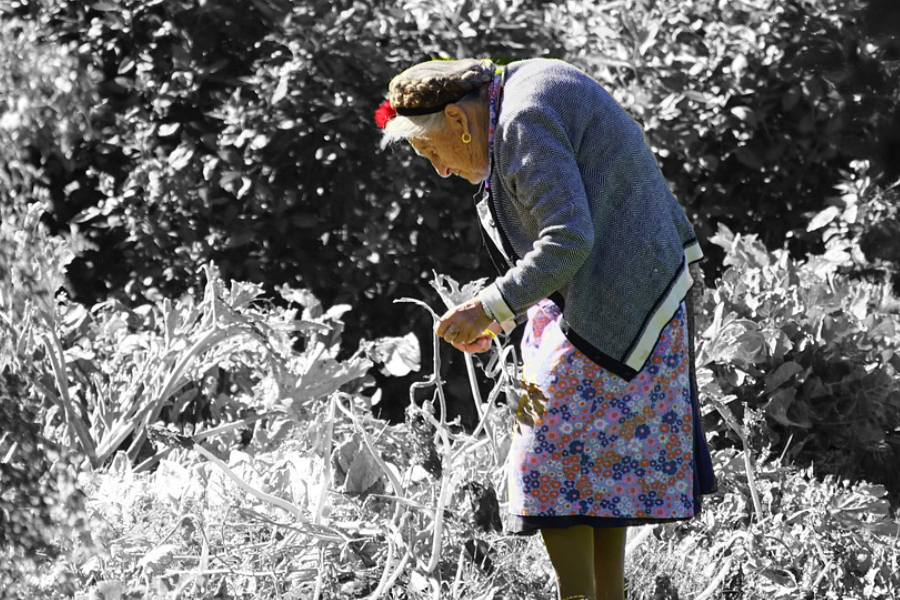
One of the first signs of muscle loss is feeling more physically tired than usual. If you find that tasks you used to do easily—like cleaning, gardening, walking, or even shopping—are now more tiring, it could be due to muscle decline. As your muscles weaken, your physical endurance takes a hit, making everyday activities more of a challenge.
Despite being tired, they won’t fall asleep at night. They may either struggle to get to sleep, or if they do, they might wake up frequently. Of course, this means you’re not getting a good night’s sleep either, and you’re left tossing and turning, trying to figure out what else you can try.
To understand what’s happening, it’s important to know that muscles need amino acids, especially essential amino acids, to rebuild and maintain themselves.
According to the latest research, adults need 1.1–1.6 grams of protein per kilogram of body weight daily to maintain muscle mass. For example, someone weighing 70kg needs about 80–110 grams of protein a day—that’s roughly five chicken breasts! But not all protein sources are created equal; some are absorbed by the body more efficiently than others.
To keep everything in good shape, or to help heal when something’s broken (like after an injury or illness), or for children to grow at the right pace, we need enough protein. That means foods like meat, fish, dairy, and legumes. However, what we really need are the amino acids that make up protein. These are what our bodies use to build the specific proteins it needs right now. We’ll go into more detail on this shortly.
So, to summarise, your child needs plenty of protein for physical and mental development.

There’s no magic formula for eternal youth, but taking care of yourself can slow the effects of ageing, including muscle loss. Staying strong and active for longer is possible with the right habits. The key? A balanced diet and regular exercise.
Eat a protein-rich diet to provide the essential amino acids your body needs to maintain muscle.
If digesting large amounts of protein is a challenge, or you’re trying to avoid excess calories, consider protein or amino acid-based supplements.

Daily physical activity is one of the best defences against muscle loss. Whether it’s walking, hiking, swimming, stretching, lifting light weights, or even a spot of gardening, every little bit helps. Activities like these signal to your body, “Hey, I still need you to work well!”
Let’s reject the idea that turning 60 or 70 means slowing down and settling for less. Why just get by when you can aim for an active, vibrant life? Imagine days filled with the things you love doing—not dictated by doctor’s appointments.
Move more, eat well, and fuel your body with what it needs—you’ve got this!
Discover why amino acids seem useless without applying 2 key factors. Learn about protein utilisation rates and how to maximise their benefits.

Most people think their morning starts when the alarm goes off. In reality, it’s built much earlier — in what your body and brain are doing long before you open your eyes. If your mornings feel ugly, heavy, too fast or never really “off”, this piece walks through why you’re tired or wired, how nights quietly shape your day, and which simple levers (caffeine, food, movement, sleep timing and essential aminos as raw materials) you can tweak to make mornings slightly less ugly.
Discount Applied Successfully!
Your savings have been added to the cart.
key bits & bobs...