Missing Nutrients in a Vegetarian Diet

Is a Vegetarian Diet Evolutionarily Optimal?

From an evolutionary perspective, some argue that no diet, vegetarian or vegan, is truly optimal for humans. While this article isn’t here to dive into ideological debates, it will focus on one key nutritional aspect: the intake of essential amino acids—those our bodies cannot produce and must obtain through food.

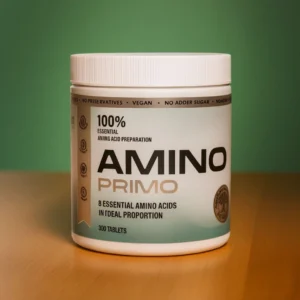
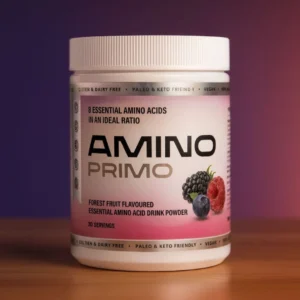
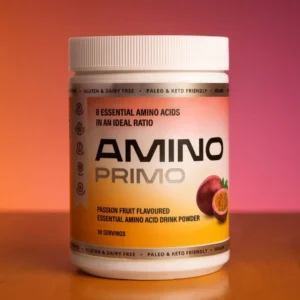
But here’s the good news for vegetarians and vegans: with the help of Amino Primo’s essential amino acid supplement, achieving optimal amino acid intake is possible without compromising dietary principles. This product is entirely free from animal-derived ingredients, offering an excellent solution for plant-based eaters.

What Are Essential Amino Acids?

Amino acids are the building blocks of protein, with 20 types required by the human body. Of these, eight are essential, meaning they cannot be produced internally. These are critical for:

  • Building and repairing tissues
  • Supporting metabolism and enzyme functions
  • Strengthening the immune system

If any one of these essential amino acids is missing or imbalanced, the body cannot efficiently synthesise proteins.

How Do Animal and Plant Proteins Compare?

Animal proteins—found in meat, fish, eggs, and dairy—are often referred to as “complete proteins” because they provide all eight essential amino acids in proportions close to human requirements. Plant proteins, while also containing all essential amino acids, often have a less optimal amino acid ratio, meaning they may not be absorbed and utilised as efficiently..

Protein Absorption: Bioavailability Matters

Animal Sources:
Proteins from animal sources tend to have higher bioavailability, meaning they’re digested and absorbed more effectively.
For example:
– Eggs: Highly digestible, offering an almost perfect amino acid profile.
– Dairy: Rich in leucine, an amino acid critical for muscle synthesis.

Plant Sources:
Proteins from plant sources like beans, lentils, and grains can have slightly lower digestibility due to their fibre content and anti-nutritional factors.
For example:
– Quinoa and soy are considered “complete proteins,” but their amino acid ratios may still fall short of those in animal proteins.
– Lentils and rice lack optimal levels of methionine and lysine, respectively.

Do Vegetarians Get Enough Protein?

The short answer is yes—but with caveats. While a vegetarian diet can provide sufficient protein, it often requires careful planning. Challenges include:

  • Protein Quantity:
    Plant-based foods generally contain less protein per serving than animal products. A vegetarian might need to eat larger portions to meet protein requirements.
  • Protein Quality:
    Even if all amino acids are present in plant foods, the less-than-ideal ratios mean some amino acids may not be fully utilised by the body.

Common Misconceptions

  • Myth: “Plant proteins are incomplete.”
  • Fact: All plant foods contain all eight essential amino acids. However, the proportions of these amino acids can limit their effectiveness.
  • Myth: “Vegans risk protein deficiency.”
  • Fact: While rare, suboptimal amino acid intake can lead to slower recovery, fatigue, and weakened immunity.

Protein Digestion: What Really Affects Absorption?

Interestingly, the state of your digestive system plays a much larger role in determining protein absorption than whether the protein comes from plants or animals. A well-functioning gut can optimise amino acid uptake, regardless of the source.

Modern Solutions for Vegetarians

Thanks to modern food availability, vegetarians can easily access a wide range of protein-rich foods, such as:

  • Tofu, tempeh, and soy products
  • Legumes (lentils, chickpeas, black beans)
  • Whole grains (quinoa, oats, bulgur wheat)
  • Nuts and seeds (chia, hemp, sunflower seeds)

However, even with a varied diet, the amino acid ratios in plant proteins often remain less than ideal. As a result, a significant proportion of plant-based protein may go unused for building body proteins, instead being burned as calories.

Enter Amino Primo: A Game-Changer for Vegetarians

For vegetarians and vegans seeking optimal protein support, Amino Primo essential amino acid tablets offer a practical solution. Here’s why:

  • Ideal Amino Acid Ratio:
    Contains all eight essential amino acids in perfect proportions for human protein synthesis.
  • 99% Bioavailability:
    Unlike food-based proteins, almost all the amino acids in Amino Primo are utilised for building body proteins.
  • Rapid Absorption:
    The amino acids are absorbed within 30 minutes, bypassing the need for digestion.
  • Plant-Based:
    Free from animal ingredients, suitable for vegans and vegetarians.

Conclusion: Closing the Nutritional Gap

Vegetarians can achieve their protein goals, but doing so requires attention to both quantity and quality. Supplementing with essential amino acids like those in Amino Primo can ensure optimal health and performance, without compromising dietary beliefs. For those striving for a balance of ethics and nutrition, this may be the ideal solution.

Still curious? Here’s more

0